Bidet Installation
Fit a bidet seat or stand-alone bidet with the right supply tee, shutoff and power outlet. Open page
Toilets are simple machines that fail in familiar ways. A running tank, a weak flush, a wobble at the base or a leak under the bowl can usually be fixed in a short visit. A bowl climbing toward the rim or water seeping from the base calls for closing the supply valve first, then phoning the 24/7 line.
Tell the dispatcher what the toilet is doing and whether water is on the floor.
A toilet that hisses or refills by itself is wasting water. The usual culprits are a worn flapper that leaks past its seat, a fill valve that does not shut off or a chain that is either too tight or too loose.
Parts are inexpensive and swap quickly. A plumber can test the tank, replace the worn pieces and check the water level.
Most clogs sit in the trap just behind the bowl. A plunger designed for toilets, used with steady strokes, clears many. A closet auger goes deeper and does not scratch the porcelain.
If a toilet clogs often, the cause may be a partial blockage farther down, a vent problem or a low-flow design that struggles. A plumber can check.
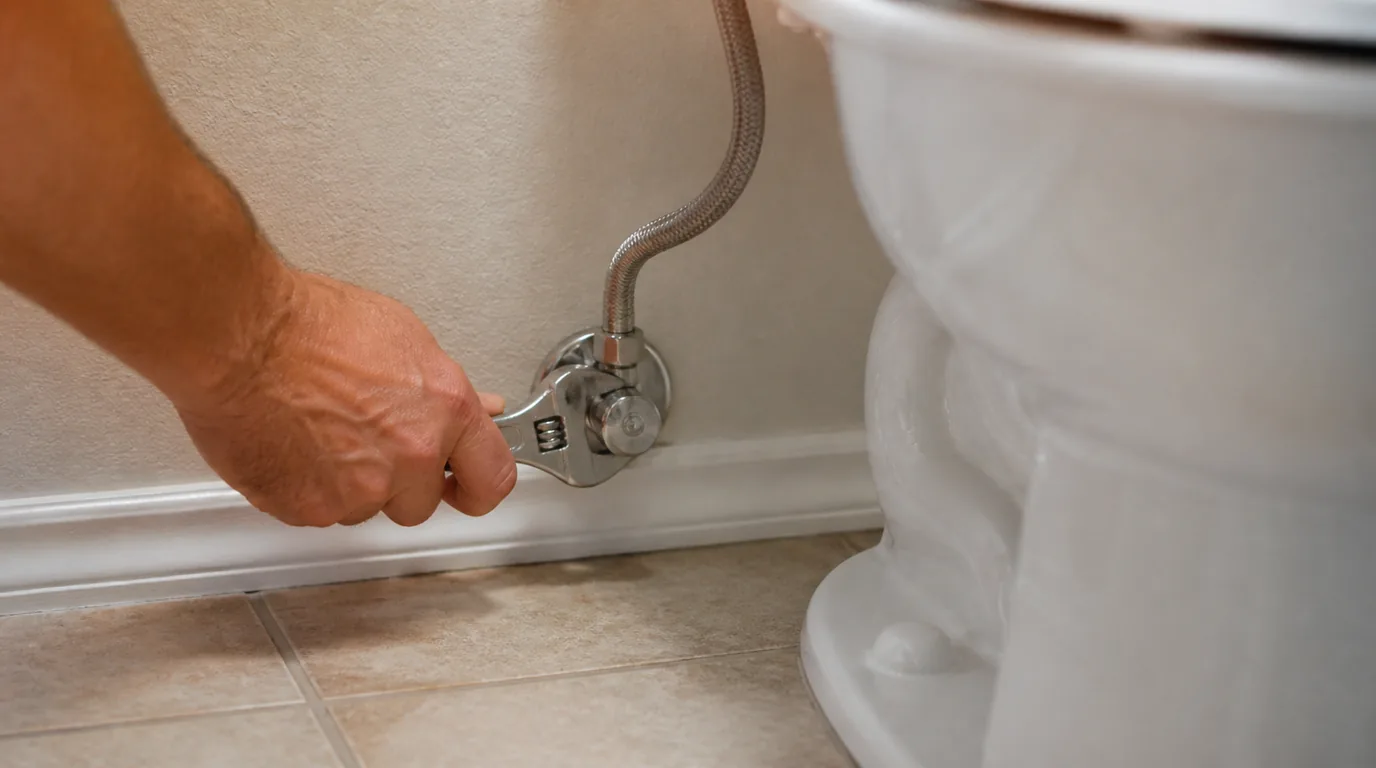
Hard water leaves scale in fill valves and around flapper seats, which can cause slow leaks. In Thornton's older houses, shutoff valves under toilets may have seized from lack of use. Replace them during a repair.
If the house is from the mid 1950s or later, check that the supply line is braided and in good shape. Old rubber lines can burst.
Most toilet repairs are quick. These items change the price.
Ask whether a new supply line and shutoff are included in a toilet install.
Water pooling around the base of a toilet can come from a failed wax ring, loose closet bolts or a cracked flange. A wobble in the bowl is a clue. Do not ignore it, since water can rot the subfloor.
The fix is to remove the toilet, replace the ring, inspect the flange and set the bowl back on a solid footing. If the flange is damaged, it needs repair.
A new toilet can save water and improve performance. Before choosing, check the rough-in, meaning wall to drain, which is usually twelve inches, and then choosng a model. Height and bowl shape matter for comfort.
The plumber will set the new bowl, connect a new supply line and valve, and test for leaks. Ask them to haul away the old one.
If several fixtures drain slowly or the toilet gurgles when other fixtures run, the problem may be in the main line. A basement toilet that bubbles when the washer drains is a warning. Stop using water and call.
Measure the rough-in, which is the distance from the wall behind the toilet to the center of the floor drain. Twelve inches is the most common. A mismatch means the toilet will not sit right. Choose round or elongated by the space in front, and a standard or comfort height by the people who use it.
Look at flush performance, not only the gallons per flush. Independent testing results are published for many models. A toilet with a larger trapway and a good rim design resists clogs better.
Ask what the installation includes: a new wax ring or flange seal, new bolts, a new supply line and shutoff, a check of the flange and the floor and haul-away of the old toilet. A flange that sits too low or has rotted floor around it needs a repair first.
Fit a bidet seat or stand-alone bidet with the right supply tee, shutoff and power outlet. Open page
Unblock a sink, tub, washer line or main drain, then learn what caused the stoppage. Open page
Quiet a dripping tap, bring back full flow and swap out seized stop valves and outdoor spigots. Open page
A tired flapper or a fill valve that sticks, and both are short repairs.
A loose bolt or a failed wax ring may be the reason. Have it checked soon to protect the floor.
Close the supply valve at the toilet base and hold the float up inside the tank. Then call.
Toilets can last decades. Replace when it cracks, leaks or you want better efficiency.
Phone the 24/7 line. While you wait, turn the small valve behind the bowl clockwise, and if water still climbs, raise the float inside the tank by hand to cut off the inflow.
Close the valve behind it and call the 24/7 line.
Service area centered on Thornton and nearby Adams County towns.