Toilet Repair & Installation
Repair a toilet that runs, rocks, flushes weakly or overflows, or swap in a new one. Open page
A bidet seat attaches to the toilet you already own, and it needs only a water connection and sometimes an outlet. A plumber makes sure the supply tee, the line and the valve are done right.
Tell the dispatcher the brand and model of the bidet and the toilet type.
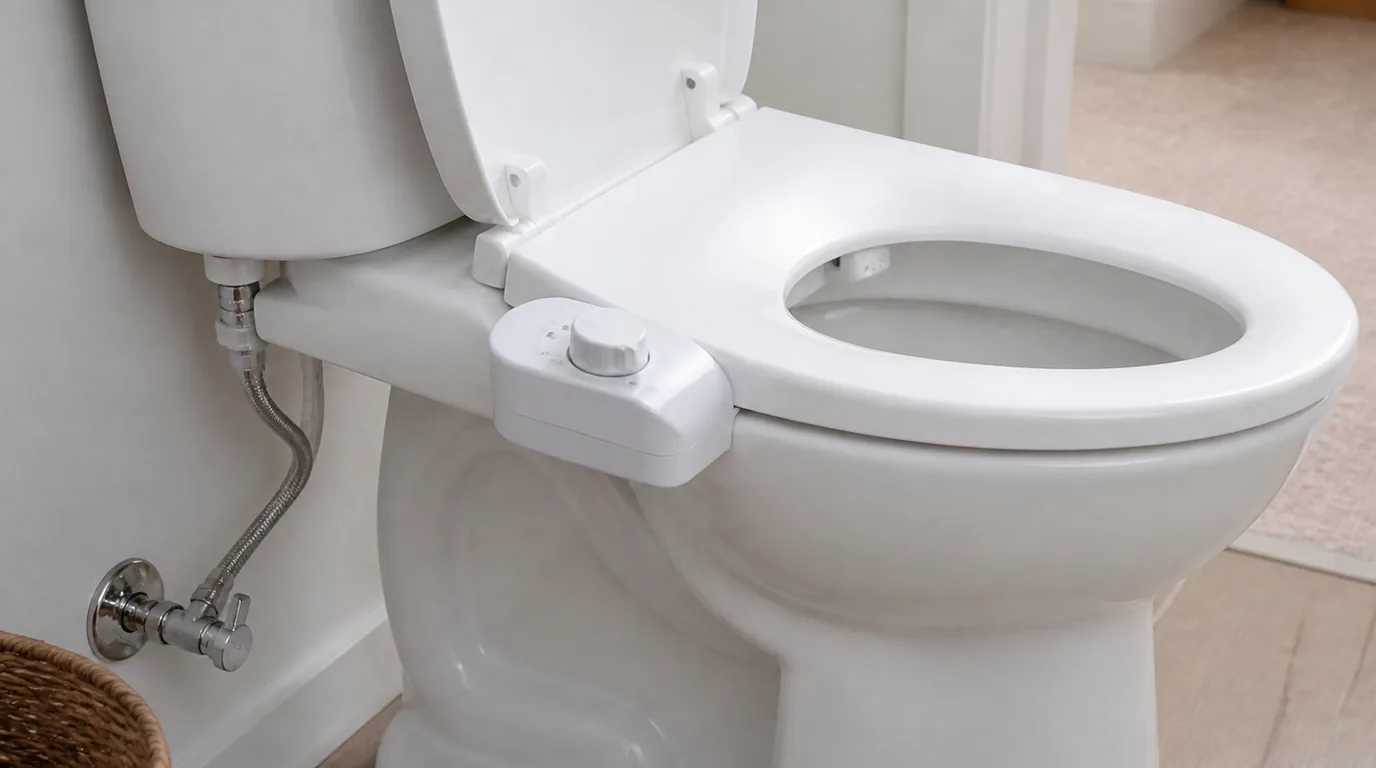
Check that your toilet is a standard two-piece or one-piece with the right bolt spacing. Look for a nearby outlet if you choose an electric model. Measure the distance from the supply valve to the seat location.
A bidet seat usually comes with a T-adapter and a braided hose. A plumber ensures that the connection is solid and that the existing shutoff valve is in good shape.
Shut off the water, drain the tank and disconnect the supply line from the toilet. Add the T-adapter to the valve, attach one hose to the toilet and another to the bidet. Mount the seat, tighten the connections and turn the water on.
Check each connection for drips. A small leak at the T-adapter can ruin a bathroom floor over time, so a careful check is worth it.
Installing a bidet seat is a short job. These items change the price.
Ask if the quote covers a new shutoff valve and braided hose.
Thornton's hard water leaves scale on bidet nozzles, so descaling every few months helps. A pre-filter on the line can protect the inner parts.
Winter inlet water is cold. Many people choose an electric seat with warm water for comfort, and the plumber should confirm the outlet and the line placement.
Electric bidet seats need a GFCI-protected outlet near the toilet. If your bathroom lacks one, an electrician must add it. A plumber can coordinate or refer.
Water and electricity must be kept apart. Keep the cord away from water, and follow the maker's guidance.
A stand-alone bidet is a fixture that sits beside the toilet. It needs hot and cold supply lines, a drain with a trap and a vent. That is rough-in work that is easiest during a remodel.
A plumber can price a rough-in and tell you whether your bathroom layout supports it.
Clean the nozzle regularly, and descale it if your water is hard. Follow the manufacturer's cleaning routine and replace filters if the unit has one.
If the water pressure drops at the seat, the supply line or the T-adapter may be partly blocked. A quick check can fix it.
Look at the space around the toilet first. A bidet seat needs a nearby electrical outlet if it heats water or the seat, and a cord crossing a wet floor is not acceptable. A non-electric attachment needs only water. Measure the toilet bowl shape, round or elongated, since the seat has to fit.
Think about the water supply too. A T-fitting at the toilet's shutoff valve splits cold water to the new unit, and older, corroded valves often leak when moved. Ask the installer to replace a worn valve while the water is off.
A heated model with a warm water tank draws power and takes a moment to heat. A tankless model heats on demand and costs more. Hard water scale can clog small nozzles, so ask how to clean them and how often.
Repair a toilet that runs, rocks, flushes weakly or overflows, or swap in a new one. Open page
Quiet a dripping tap, bring back full flow and swap out seized stop valves and outdoor spigots. Open page
Remove a shower, tub or valve and build a sealed pan and a drain that vents correctly. Open page
Most toilets accept one. Check bolt spacing and the shape of the bowl.
Only electric models do. Non-electric seats run on water pressure.
Yes. Share the brand and model when you call.
It needs rough-in plumbing, so plan it during a remodel.
Ask when you call. Most are booked for weekdays, though a dripping supply line at the toilet can be reported on any day.
Call and share the model. A dispatcher will help you book an install.
Service area centered on Thornton and nearby Adams County towns.